

How to Make School Basketballs Last Longer: A Guide for PE Teachers and Sports Coordinators
A basketball can spend years in a club or school sports program or just a single season. If your basketballs seem to wear out faster than expected, the problem may not be how often they're used, it may be where they're used.
While regular play naturally causes wear and tear, many basketballs are retired long before they should be. Indoor basketballs aren't designed for rough asphalt and concrete courts, while outdoor basketballs often don't provide the same feel and performance on indoor surfaces.
Here's how to keep your basketballs in better condition for longer and ensure they're being used as intended.
Indoor vs Outdoor Basketball
Not all basketballs are designed the same. Choosing the right basketball for the right surface is similar to bringing the correct tool for the job.
Indoor Basketballs are made from genuine leather for premium competition balls or composite leather, most common for schools and indoor sports centres. These materials provide better grip softer feel and improved ball control with consistent performance on timber courts.
Outdoor basketball are usually made of rubber or other durable outdoor composite materials. The best basketballs for outdoor courts are those designed to resist abrasion, withstand rough court surfaces, handle exposure to weather and dirt and can typically last longer in school playground environments
Hybrid basketballs or indoor-outdoor basketballs do precisely that, the capability to be used on both indoor and outdoor surfaces. These balls offer a balance of performance and durability across multiple court types.Still, abrasive outdoor surfaces can easily wear out these balls causing some peeling of the outer material.
If you have multiple balls in your storage, clearly label basketballs by court type and inform the students about which balls should be used where.
Basketball Storage and Equipment Care
Keep Basketballs Properly Inflated
An underinflated basketball doesn't bounce correctly and places additional stress on the ball's construction. An overinflated basketball can feel harder, wear faster, and increase the risk of damage.
Check basketball pressure regularly and inflate according to the manufacturer's recommended PSI.
Signs your basketball may need inflation:
- Poor bounce consistency
- Flat spots appearing on the surface
- Difficulty maintaining control during play
When inflating, use a quality pump and needle. Apply a small amount of needle lubricant before insertion. Inflate gradually to the recommended pressure.
Proper storage plays a major role in extending the life of your equipment.
Things to Avoid:
- Leaving basketballs outdoors overnight
- Prolonged exposure to direct sunlight
- Storing balls in hot sheds or storage containers
- Leaving balls in vehicles during hot weather
Best Practice:
- Store basketballs indoors in a cool, dry location.
- Use ball carts, racks, or storage cages where possible.
- Rotate stock regularly to ensure even usage across all balls.
Extreme heat can dry out ball covers and weaken internal components, reducing performance and lifespan.
Keep Basketballs Clean
Dirt, dust, sand, and grit act like sandpaper on basketball surfaces.
After each use, you’ll need to wipe basketballs with a damp cloth to remove excess dirt and debris. Allow balls to dry naturally before storage.
Avoid harsh chemicals or pressure washers, as these can damage the outer cover.
Inspect Basketballs Regularly
Routine equipment inspections can identify problems before they become serious.
For schools, informing students on proper equipment care can go a long way in ensuring your basketball lasts longer and students enjoy sports to the fullest.
Remind students:
- Indoor basketballs stay indoors.
- Outdoor basketballs are for outdoor courts.
- Basketballs should not be kicked, sat on, or used for games other than basketball.
- Equipment should be returned to storage after use.
A small amount of awareness can save school basketball equipment significant replacement costs over time.
Basketballs are essential equipment for school sport programs, but they only perform as well as they're cared for. By selecting the correct ball for the playing surface, maintaining proper inflation, storing equipment correctly, and teaching students good habits, schools can maximise the lifespan of their basketballs and reduce unnecessary replacement costs.
The right basketball, used in the right environment, will always deliver the best performance and the best value.
Staff Picks
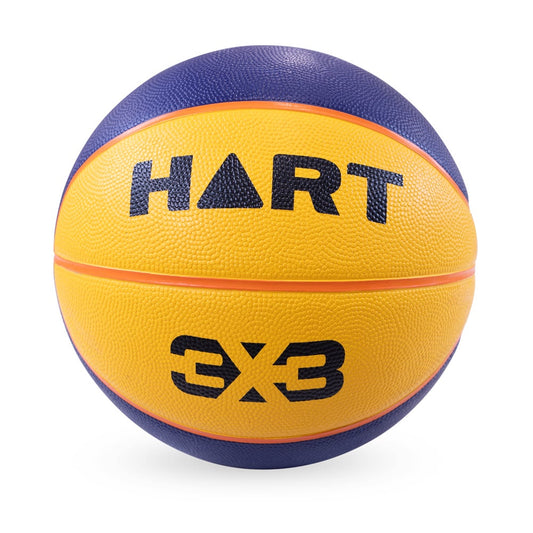

HART 3X3 Basketball
- $19.90incl. GST
-
$19.90 - $19.90incl. GST
- (-0%)
- Unit price
- per
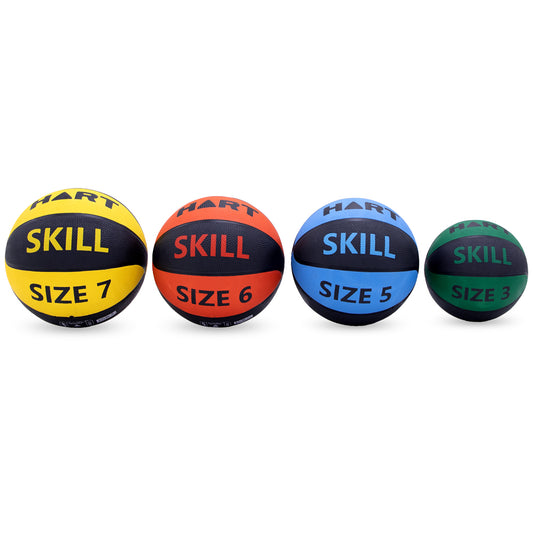
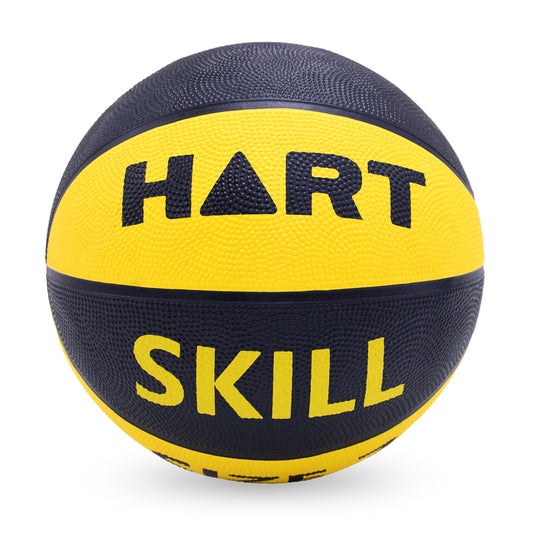
HART Skill Basketball
- $19.90incl. GST
-
$19.90 - $19.90incl. GST
- (-0%)
- Unit price
- per
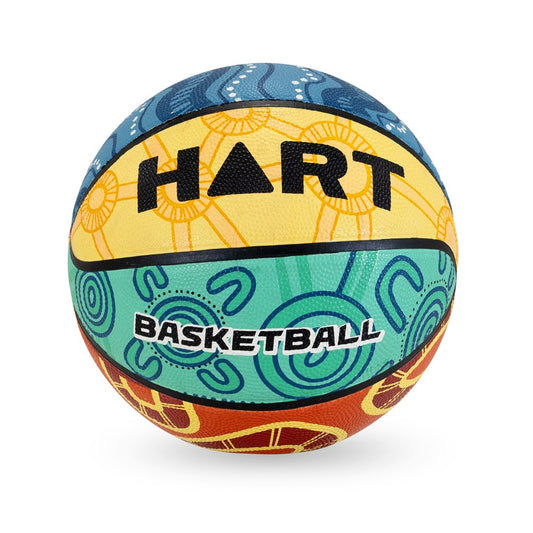

HART Indigenous Basketballs
- $19.90incl. GST
-
$19.90 - $19.90incl. GST
- (-0%)
- Unit price
- per
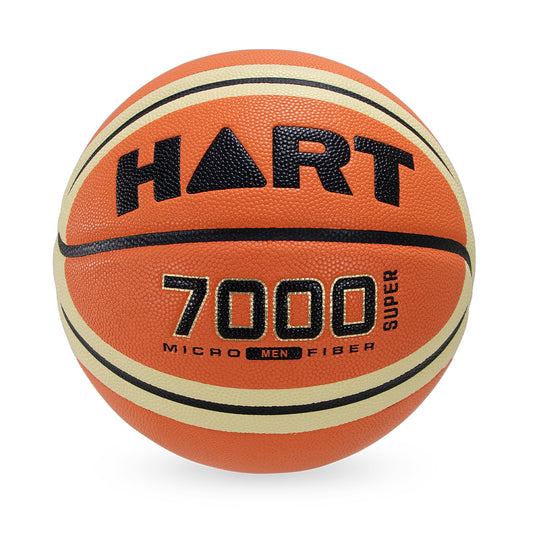
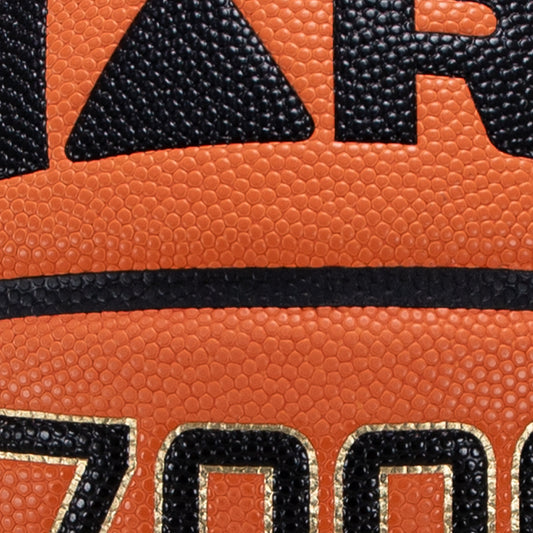
HART 7000 Super Basketball
- $99.00incl. GST
-
$99.00 - $99.00incl. GST
- (-0%)
- Unit price
- per
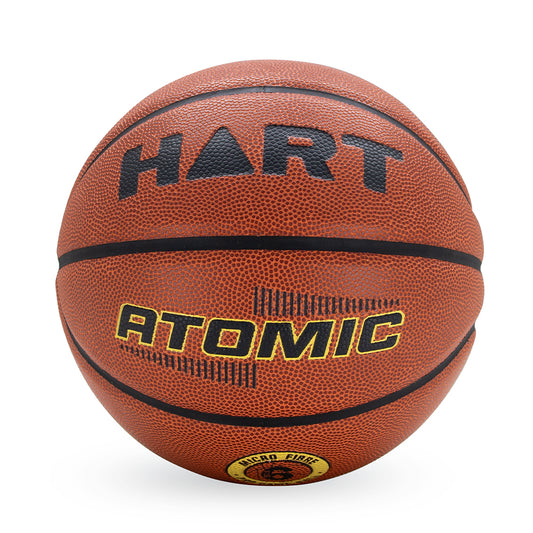
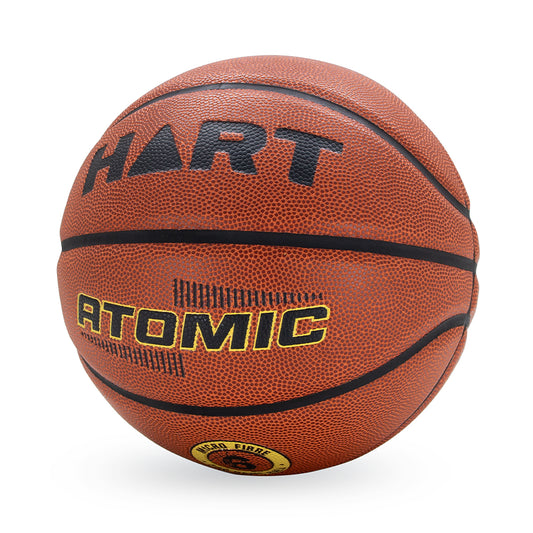
HART Atomic Basketball
- $75.00incl. GST
-
$75.00 - $75.00incl. GST
- (-0%)
- Unit price
- per

HART Ultra Basketballs
- $59.00incl. GST
-
$59.00 - $59.00incl. GST
- (-0%)
- Unit price
- per
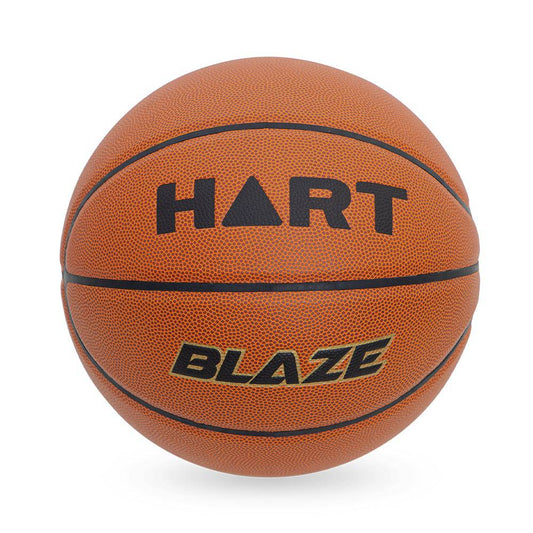
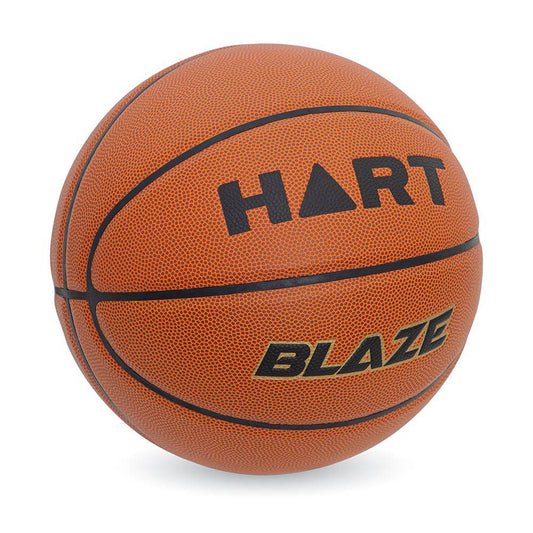
HART Blaze Basketball
- $39.90incl. GST
-
$39.90 - $39.90incl. GST
- (-0%)
- Unit price
- per
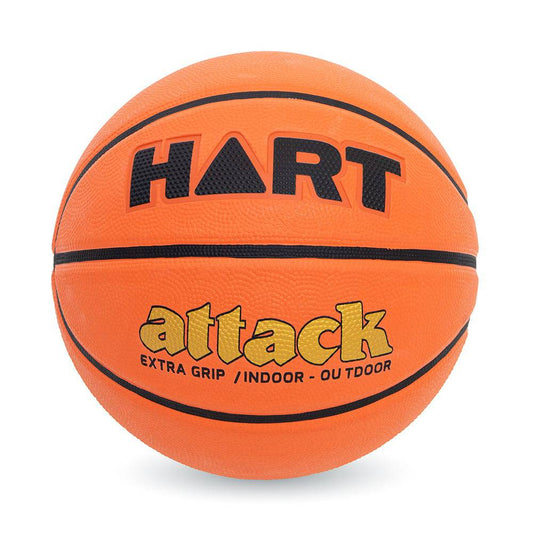
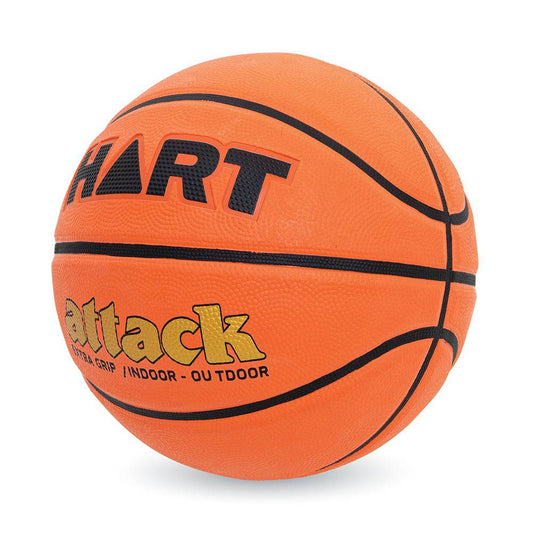
HART Attack Extra Grip Basketballs
- $25.50incl. GST
-
$25.50 - $25.50incl. GST
- (-0%)
- Unit price
- per